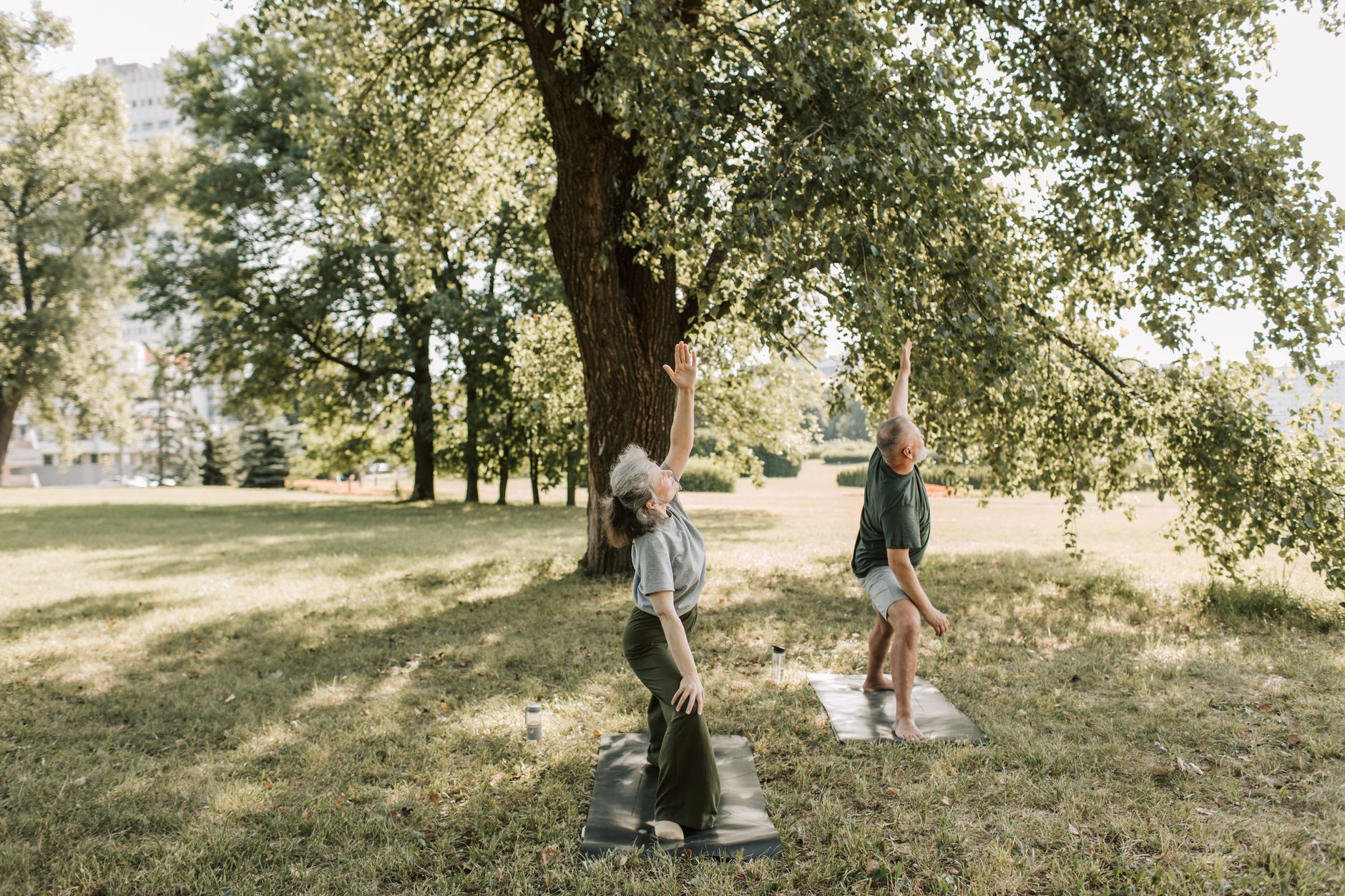
Introduction to Balance and Parkinson's
I still remember the day I met John, a friend who had been living with Parkinson's disease for several years. He had lost his confidence in moving, and simple tasks like walking or even standing had become daunting challenges. But what struck me most was his determination to regain control over his body. With a twinkle in his eye, he said, "Stephen, I want to move like I used to, without fear of falling." In that moment, I knew that with the right approach, he could achieve just that. The playground is the best gym you'll ever find, and I was about to show John why.
As someone who has spent over 50 years engaging in daily playful movement, I've had the privilege of witnessing firsthand the transformative power of balance exercises. My own journey began when I was a young man, and I've since dedicated my life to understanding the intricacies of human movement and balance. As a former professor at UCF and a TEDx speaker, I've had the opportunity to share my knowledge with people from all walks of life. But it's my work with individuals like John, who are living with conditions like Parkinson's, that has truly shown me the impact that balance training can have.
Stephen's two video programs — $12.99 for both
Active Play + 5-in-1 Training, one-time price, 30-day money-back guarantee.
Get the Complete Bundle →The Science of Balance and Neuroplasticity
Balance isn't just about standing still; it's about moving with confidence. Our brains are wired to adapt, and this concept is known as neuroplasticity. When we challenge our bodies through movement, our brains create new connections, strengthening our ability to balance and coordinate. This is especially important for individuals with Parkinson's, as research has shown that regular exercise can help slow down the progression of the disease. By incorporating balance exercises into their daily routine, people with Parkinson's can improve their overall mobility, reduce their risk of falls, and enhance their quality of life.
The key to successful balance training lies in its ability to stimulate the brain's neuroplasticity. When we engage in new and challenging movements, our brains are forced to adapt, creating new pathways and strengthening existing ones. This process can help counteract the effects of Parkinson's, which often include impaired balance and coordination. By focusing on playful, dynamic movements, we can tap into this neuroplasticity, promoting positive changes in the brain and body.
Practical Steps to Improve Balance
So, what can you do to start improving your balance today? The good news is that you don't need any special equipment or a gym membership. Your body doesn't know the difference between exercise and play — but your brain does. That's why it's essential to find activities that bring you joy and make you feel like you're playing, rather than just exercising. For John, it started with simple balance exercises like standing on one leg, walking on a balance beam, or even just walking on different textures like grass or sand. I've watched people in their 70s and 80s transform in weeks by incorporating these types of activities into their daily routine.
One of my favorite exercises is the "balance walk." Find a straight line, like a balance beam or a line on the floor, and walk along it, focusing on keeping your feet directly on the line. As you get more confident, try adding in arm movements or even juggled balls. This exercise challenges your balance, coordination, and overall movement, all while having fun. Another great option is to practice standing on a balance board or a BOSU ball. These tools provide an unstable surface, which forces your body to adapt and engage your core, legs, and ankles to maintain balance.
Moving with Confidence
The beauty of balance training lies in its accessibility. You can start anywhere, at any age, and see significant improvements in a short amount of time. If it's not fun, you won't do it. And if you don't do it, nothing changes. That's why I always encourage people to find activities that bring them joy and make them feel like they're playing. Whether it's walking on a balance beam, juggling, or even just dancing to your favorite music, the most important thing is to keep moving and challenging yourself.
As I look back on my own journey, I'm reminded of the countless individuals I've met who have transformed their lives through balance training. From the 80-year-old woman who learned to walk on a balance beam to the man with Parkinson's who regained his confidence in moving, I've seen firsthand the power of playful movement. Balance isn't about standing still; it's about moving with confidence. And with the right approach, anyone can achieve this, regardless of age or ability.
Conclusion and Next Steps
As you begin your balance training journey, remember that every small step counts. Don't be afraid to try new things, to challenge yourself, and to have fun. The playground is the best gym you'll ever find, and I invite you to join me on this journey of discovery and movement. If you're looking for more guidance and support, be sure to check out my video programs, which offer a range of balance exercises and playful movements specifically designed for individuals with Parkinson's and other mobility challenges. Remember, your body doesn't know the difference between exercise and play — but your brain does. So, let's get moving, and let's have fun doing it! Balance isn't about standing still — it's about moving with confidence.
Watch Stephen in Action
Gentle Movement for Recovery & Rehabilitation
Play-based exercises designed for all ability levels. Used by physical therapists, rehab centers, and individuals managing chronic conditions.
Photo by Vlada Karpovich • Published May 16, 2026