 Balance Training Blog
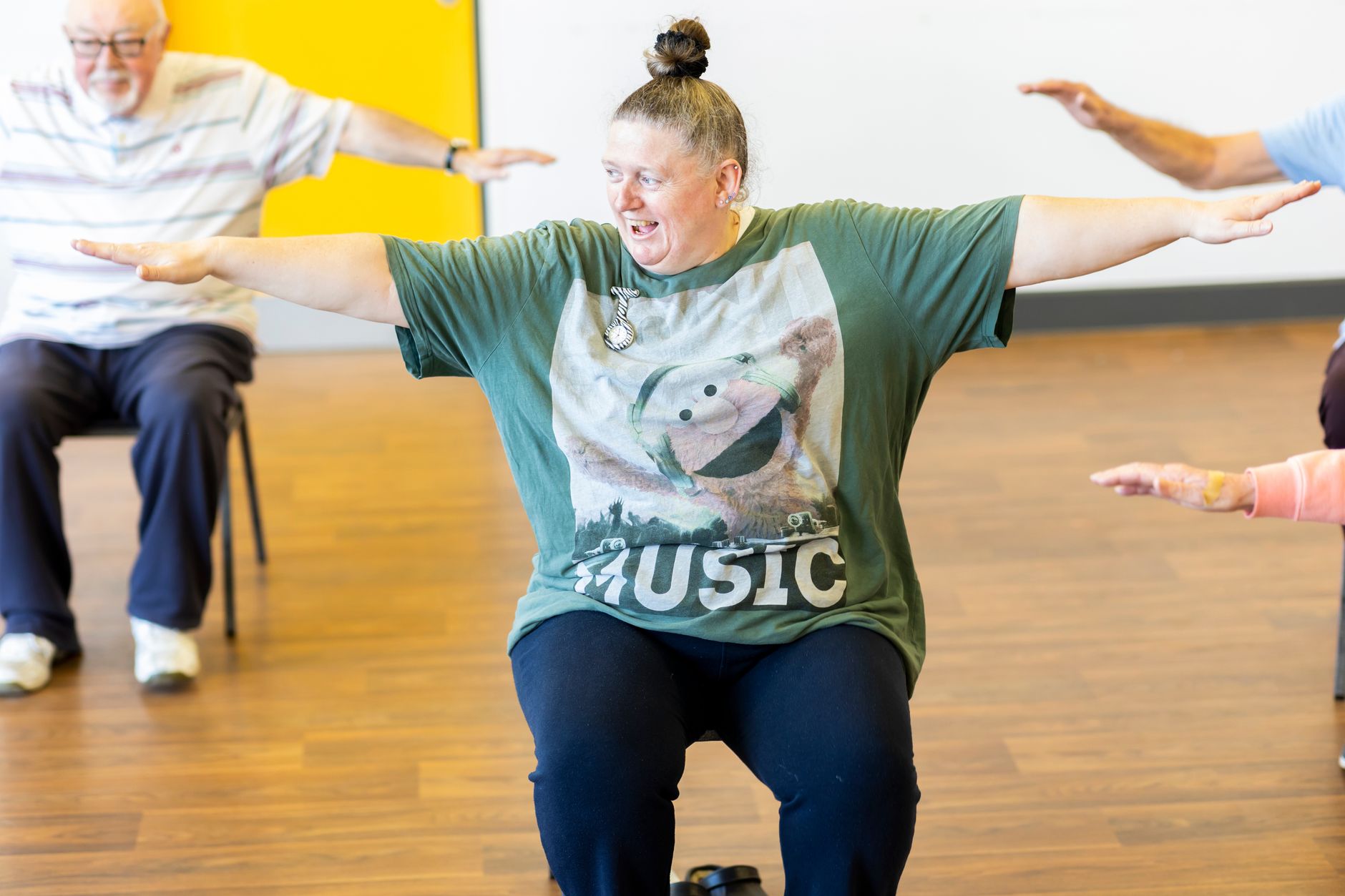
Introduction to Balance and Multiple Sclerosis
**I've spent 50 years playing on balance boards, and I've learned that balance isn't just about standing still — it's about moving with confidence, especially when life throws you a challenge like Multiple Sclerosis (MS).** As someone who's dedicated their life to understanding the human body and its incredible capacity for adaptation, I've seen firsthand how exercise and play can transform lives. My journey with balance training began many years ago, and it's taken me to places I never thought possible, like walking barefoot on balance boards and juggling while standing on one leg. But what really drives me is seeing people in their 70s and 80s transform in weeks, regaining their confidence and independence.
As I look back on my years of teaching and researching, I've come to realize that the playground is the best gym you'll ever find. It's a place where we can let go of our fears and inhibitions, and just have fun. And that's exactly what we need when we're dealing with a condition like MS. Your body doesn't know the difference between exercise and play — but your brain does. When we make movement fun, we're more likely to stick with it, and that's when the real magic happens. I've watched people with MS and other conditions make incredible progress, not just in their physical abilities, but in their overall well-being.
Stephen's two video programs — $12.99 for both
Active Play + 5-in-1 Training, one-time price, 30-day money-back guarantee.
Get the Complete Bundle →The Science of Balance and MS
When it comes to MS, balance and fatigue are two of the biggest challenges people face. But the good news is that exercise has been shown to be incredibly effective in managing these symptoms. Research has demonstrated that exercise can help reduce fatigue, improve balance, and even slow down the progression of the disease. One of the key things to understand is that MS affects the brain's ability to communicate with the body, which can lead to balance issues and fatigue. But by engaging in regular exercise, we can actually help our brains adapt and find new ways of communicating with our bodies.
The science is clear: exercise is essential for managing MS symptoms. But what's equally important is that we make exercise enjoyable and accessible. Fall prevention exercises, senior balance training, and balance exercises for seniors are all crucial components of a well-rounded exercise program. And the best part is that these exercises can be done in the comfort of our own homes, or even on a playground. I've seen people with MS and other conditions make incredible progress with simple exercises like tai chi, yoga, and even just walking on a balance board.
Practical Steps for Managing Fatigue and Improving Balance
So, what can you do today to start improving your balance and managing your fatigue? First, let's talk about heat management. When we're exercising, our bodies can heat up quickly, which can exacerbate MS symptoms. So, it's essential to stay cool and comfortable while we're moving. This can be as simple as exercising in an air-conditioned room, or using a cooling vest to keep our bodies at a comfortable temperature.
Next, let's talk about some simple exercises you can do to improve your balance. One of my favorites is the single-leg stance. This exercise is incredibly effective at improving balance and stability, and it's easy to do. Simply stand on one leg, with the other foot lifted off the ground. Hold for 10-15 seconds, and then switch legs. You can also try standing on a balance board or a BOSU ball to add an extra challenge.
Another exercise that's great for improving balance is the heel-to-toe walk. This exercise is simple, but it requires a lot of concentration and balance. To do it, simply walk along a straight line, placing the heel of one foot directly in front of the toes of the other foot. You can do this on a balance beam, a line on the floor, or even on a balance board.
Creating a Balance Training Program
When it comes to creating a balance training program, it's essential to make it fun and engaging. If it's not fun, you won't do it. And if you don't do it, nothing changes. So, let's make a plan to incorporate some fun and playful exercises into your daily routine. You can start by setting aside 10-15 minutes each day to practice your balance exercises. You can do this in the morning, afternoon, or evening — whenever works best for you.
As you get started, remember to listen to your body and only do what feels comfortable and safe. It's also essential to have a support system in place, whether that's a friend, family member, or healthcare professional. Having someone to hold you accountable and provide support can make all the difference in your journey.
Conclusion and Next Steps
As I always say, balance isn't about standing still — it's about moving with confidence. And with the right approach, you can improve your balance and manage your fatigue, even with MS. I've seen people in their 70s and 80s transform in weeks, and I know you can too. If you're looking for a more comprehensive program to help you get started, I invite you to check out my video courses on balance training. These programs are designed to be fun, engaging, and accessible, and they'll provide you with the tools and support you need to improve your balance and overall well-being. So, let's get started today, and remember: the playground is the best gym you'll ever find. Your body doesn't know the difference between exercise and play — but your brain does. And if it's not fun, you won't do it. And if you don't do it, nothing changes.
See These Exercises in Action
Stephen demonstrates every balance drill in his video program — gentle, playful movements designed for real results.
Browse the Video Collection →Watch Stephen in Action
Gentle Movement for Recovery & Rehabilitation
Play-based exercises designed for all ability levels. Used by physical therapists, rehab centers, and individuals managing chronic conditions.
Photo by Centre for Ageing Better • Published May 26, 2026