Introduction to Balance Transformation
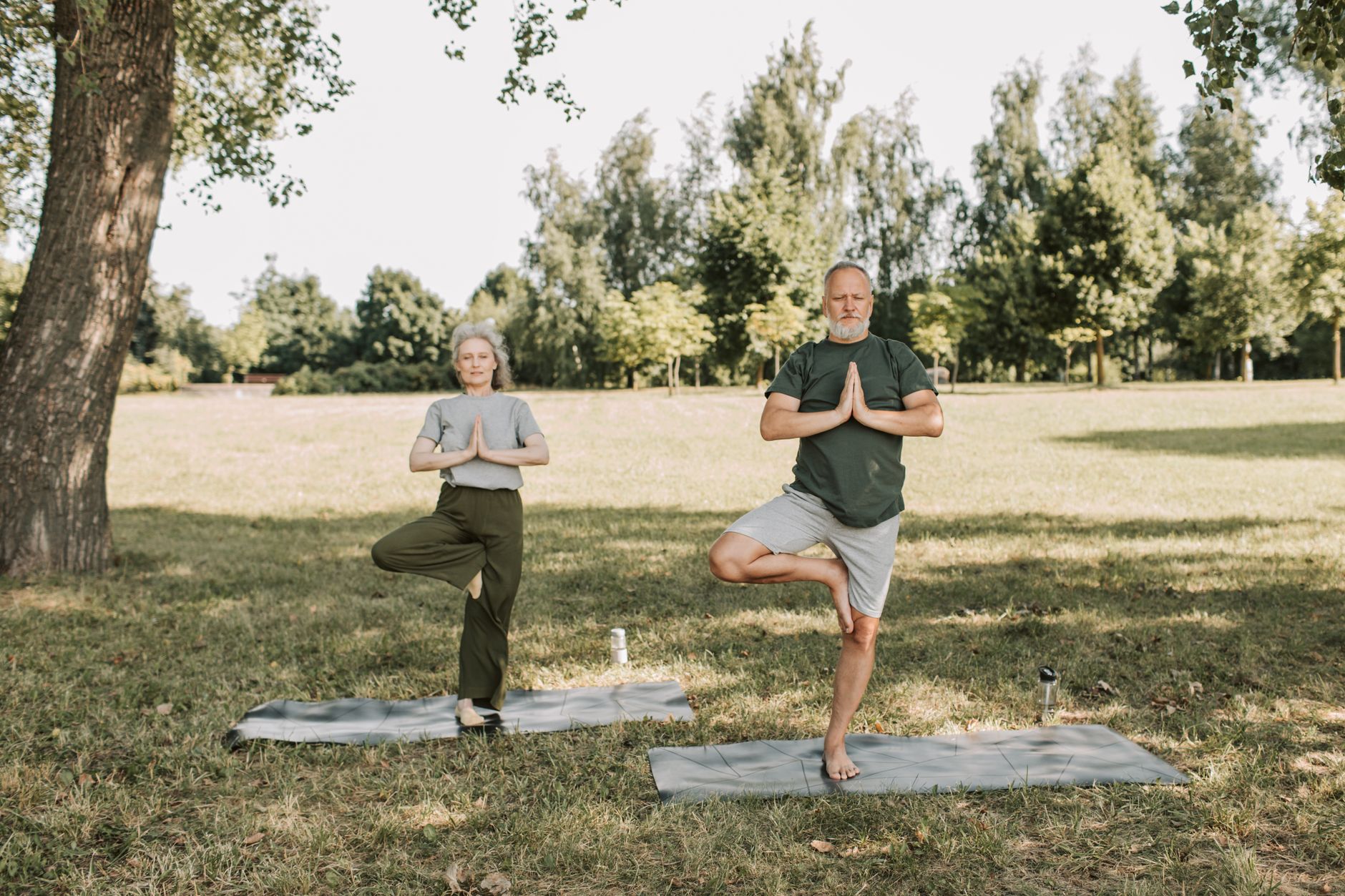
I still remember the day I stood on one leg for the first time in my 50s - it was a revelation. I had been a professor at UCF, teaching and researching, but I had never felt so connected to my body as I did in that moment. Little did I know, that simple act would become a cornerstone of my daily movement practice and a key to unlocking the secrets of balance and neuroplasticity. As someone who's been moving playfully for over 50 years, I can confidently say that one-leg standing is the simplest exercise that can transform senior health.
Stephen's two video programs — $12.99 for both
Active Play + 5-in-1 Training, one-time price, 30-day money-back guarantee.
Get the Complete Bundle →My Journey with One-Leg Standing
I recall my early days of experimenting with balance boards and one-leg standing. At first, it was challenging, but with consistent practice, I began to notice significant improvements in my overall balance and stability. I started incorporating one-leg standing into my daily routine, often while brushing my teeth or waiting for the coffee to brew. My friends and family would often tease me, saying I was "showing off," but I knew that I was onto something special. As I continued to practice, I began to notice the benefits extending beyond just balance - my overall confidence and sense of well-being were also improving. I've watched people in their 70s and 80s transform in weeks, and it's a testament to the power of playful movement.
The Science of Balance and Neuroplasticity
The science behind one-leg standing is fascinating. When we stand on one leg, we're not just working on our balance; we're also challenging our brain to adapt and rewire. This process is called neuroplasticity, and it's essential for maintaining cognitive function and overall health as we age. By incorporating one-leg standing into our daily routine, we're essentially giving our brain a workout, helping to build new connections and strengthen existing ones. Balance isn't about standing still - it's about moving with confidence, and that's exactly what one-leg standing helps us achieve. Your body doesn't know the difference between exercise and play - but your brain does, and that's what makes one-leg standing so effective.
Practical Steps to Get You Started
So, how can you start incorporating one-leg standing into your daily routine? It's simpler than you think. Begin by standing on one leg while holding onto a stable object, like a chair or a wall. Hold for 10-15 seconds, then switch legs. As you get more comfortable, you can gradually increase the time and remove the support. You can also try standing on different surfaces, like a balance board or a pillow, to challenge your balance and stability. The key is to make it fun and engaging, so don't be afraid to experiment and try new things. Remember, if it's not fun, you won't do it. And if you don't do it, nothing changes.
Taking it to the Next Level
As you become more confident in your one-leg standing, you can start to incorporate other movements and exercises into your routine. Try standing on one leg while lifting the other leg off the ground, or while doing a simple task like brushing your teeth. You can also try standing on one leg on different surfaces, like a balance board or a BOSU ball. The possibilities are endless, and the most important thing is to find what works for you and makes you feel good. The playground is the best gym you'll ever find, and I encourage you to explore and find the activities that bring you joy and challenge your balance.
Overcoming Challenges and Staying Motivated
One of the biggest challenges people face when starting a new exercise routine is staying motivated. It's easy to get discouraged if you don't see immediate results or if you struggle to balance. But the key is to focus on progress, not perfection. Celebrate your small victories, and don't be too hard on yourself if you stumble. Remember, every small step counts, and the most important thing is to keep moving and having fun. I've seen people in their 70s and 80s transform their health and well-being through playful movement, and I know that you can too.
Conclusion and Next Steps
In conclusion, one-leg standing is a simple yet powerful exercise that can transform senior health. By incorporating it into your daily routine, you can improve your balance, stability, and overall confidence. Remember, balance isn't about standing still - it's about moving with confidence. If you're looking for a fun and engaging way to improve your balance and overall health, I invite you to check out my video programs, which offer a range of exercises and movements to help you get started. The playground is the best gym you'll ever find, and I'm excited to have you join me on this journey of playful movement and discovery. Your body doesn't know the difference between exercise and play - but your brain does, and that's what makes one-leg standing so effective. So, go ahead, give it a try, and remember - if it's not fun, you won't do it. And if you don't do it, nothing changes.
Start Your Balance Journey with Stephen
Stephen Jepson's complete training programs — playful exercises that improve balance, prevent falls, and keep the brain sharp at any age.
Complete Bundle · Instant download · Watch on any device · $12.99
Photo by Vlada Karpovich • Published May 16, 2026