 Balance Training Blog

The Unseen Strength: How Moving Together Can Rediscover Your Balance and Your Community
Have you ever noticed how much easier it is to laugh, to relax, to truly *be yourself* when you’re with good company? It's not just your spirit that lightens; something profound happens within your body and mind when we connect with others. For over 50 years, I’ve championed the idea that movement is medicine, but I’ve also come to realize that *shared* movement is a powerful antidote to something far too many of us face as we get older: loneliness.
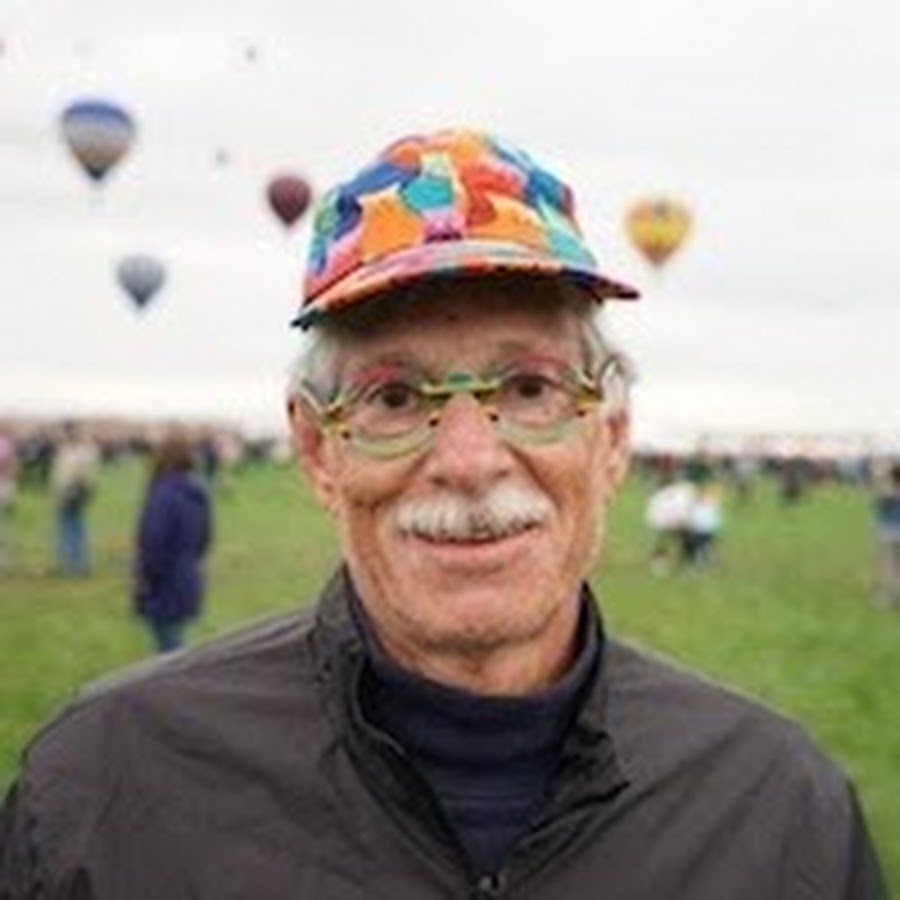
I’m 85 years old now, and I’ve spent more than half a century proving that the playground is the best gym you’ll ever find. I still walk barefoot, juggle on one leg, and find immense joy in movement every single day. But I've also spent countless hours observing. I've seen the spark ignite in people's eyes, not just when they master a new balance exercise, but when they share that triumph with a friend, a neighbor, or even a kind stranger in a park. I remember a woman in one of my early workshops, a lovely lady named Eleanor, who had lost her husband a few years prior. She came in quiet, a little hesitant, her shoulders hunched. She was looking for some *fall prevention exercises*, she told me, but I suspected she was looking for more than just physical stability.
We started with simple movements, gentle *balance exercises for seniors*, but I made sure they were done in a circle, with opportunities for people to make eye contact, to offer a helping hand, to share a chuckle when someone wobbled. Eleanor slowly began to open up. She started sharing stories, laughing at her own missteps, and encouraging others. Within weeks, her posture had improved dramatically, yes, but her smile was the real transformation. She wasn't just doing *senior balance training*; she was rediscovering her confidence, her community, and a forgotten joy. It was a beautiful reminder that while we often focus on the physical benefits of movement, the social dividends are just as vital, perhaps even more so.
More Than Just Muscles: The Power of Social Movement
When we talk about balance, most people think about the inner ear, strong legs, and a steady gaze. And they’re right, those are all crucial components. But true balance, the kind that allows you to move through life with confidence and independence, is also deeply connected to our mental and emotional well-being. And that, my friends, is where our connections with others come into play.
Modern science is catching up to what many of us have intuitively known for generations: moving your body, especially with others, is a powerful antidote to loneliness and social isolation. Studies have shown that older adults who participate in group exercise classes experience a significant reduction in feelings of loneliness. It's not just about raising your heart rate or strengthening your core; it's about the shared experience, the smiles exchanged, the sense of belonging that comes from moving in sync with others.
Think about it: when you join a walking club, a dance class, or even just meet a friend for a stroll in the park, you’re engaging more than just your muscles. You’re engaging your mind in conversation, your emotions in shared laughter, and your spirit in the collective energy of the group. Your body doesn't know the difference between exercise and play — but your brain does. And when your brain perceives play and connection, it releases those wonderful chemicals that lift your mood, reduce stress, and make you feel more alive. This isn't just about preventing falls; it's about preventing the kind of emotional and mental decline that can be just as debilitating.
A robust body of research now points to the profound impact of group-based physical activity. Beyond the obvious physical health benefits – stronger bones, better cardiovascular health, improved flexibility – these shared activities build a sense of community. They provide regular opportunities for interaction, for support, and for simply being seen and heard. For those dealing with conditions like Parkinson's, arthritis, or neuropathy, or recovering from a stroke, finding a supportive group can be a game-changer. It’s a safe space to move, to challenge oneself gently, and to feel part of something bigger than individual struggles. This social engagement helps enhance mental health and actively combats that insidious feeling of being alone.
Finding Your Tribe: Practical Steps to Move and Connect
So, how do you harness this power of shared movement? It’s simpler than you might think, and it doesn’t require fancy equipment or a gym membership. The key is to find activities that are accessible, enjoyable, and offer opportunities for interaction. Remember, if it's not fun, you won't do it. And if you don't do it, nothing changes.
Here are a few ideas for *balance exercises for seniors* and ways to incorporate joyful, social movement into your life:
1. **Start a Walking Club:** This is perhaps the easiest and most effective. Gather a few friends, neighbors, or
See These Exercises in Action
Stephen demonstrates every balance drill in his video program — gentle, playful movements designed for real results.
Browse the Video Collection →Watch Stephen in Action
Start Your Balance Journey with Stephen
Stephen Jepson's complete training programs — playful exercises that improve balance, prevent falls, and keep the brain sharp at any age.
Photo by RDNE Stock project • Published June 10, 2026